If you feel stuck and overwhelmed with deciding on what you want to do, I’m here to tell you: begin with something.
4 steps to build your post-secondary plan the right way
Although this video is non-college oriented, having a backup plan in case you realize academics isn’t worthwhile for you is beneficial. Also, side income doesn’t hurt.
. . .
Courtesy to my College Counselor and Work Based Learning Coordinator at my school for encouraging me to make this video and providing me with feedback.
Adolescence = High School which also = time, a unique time we won’t get back. I don’t want to see my fellow peers unhappy and stuck. I don’t want to hear about the next generation feeling stuck.
Please take advantage of your high school career by:
Removing limiting beliefs. Many of us grew up (and are growing up) thinking that certain things aren’t possible for us. Whether family put ideas in our head, or certain ideas are not promoted in the areas we live in, we might assume that certain things simply aren’t meant for us.
Expanding your range of possibilities. Now take it a step further. You’re upbringing might have affected the way you view success, but now that you see what else is possible, open your mind and be open to using this time to gain skills that will help you in the real world.
Knowing how to research (and doing it). This is the #1. So many people miss out on great opportunities, early opportunities, cheaper opportunities, and paid opportunities, simply because they “didn’t know.” Why? Because they don’t look things up.
You also don’t want to be that 12th grader that is sure about their future plan but can’t answer basic questions about the profession. Researching is super important. Not only does it help you realize if you actually want to do something, but it can potentially give you a head start towards that career.
Analyzing the aspects you want in a career. When you start to look into planning your post-secondary life, you’ll need to think about the aspects that are driving your decisions.
Passion: You may love to draw. You may love to take pictures; but will that make you enough of a profit to live off of? Is it going to fit your lifestyle? Will it give you financial freedom, and most importantly time freedom? These are factors to consider when choosing your career path.
If you have interests, you’ve probably thought about involving them in your future in some way. That’s amazing but rethink it to see if it will fit your goals. Sometimes having a passion for something, no matter how strong it is, won’t be enough to hold you down. Keeping that present, especially towards the last years of high school, will remind you to always be on the lookout for opportunities.
Self-discipline: Many successful people agree that self-discipline is the key to success. Think about yourself. Do you have a strong work ethic? Doing something that you know has to be done can be easier when you’re getting something out of it, like getting paid. Other times self-discipline alone cannot guarantee success.
If you’re someone who is automatically thinking “college” and your work ethic in high school is poor, start looking for a plan b ole buddy. It’s necessary to be able to say to yourself, “I’m doing this now and will be able to do this for the years to come” rather than, “I’m not doing this now but when I have to do it later, then I’ll do it.” Remember a poor academic performance can lead to missed opportunities.
Motivation: That energy that gives us drive is motivation. It improves productivity, positivity, and enhances performance. The trick is to find what your career path is going to need the most. It may not be passion, self-discipline, or motivation but the point is that you need to know what you’re setting yourself up for.
Not waitingto look for exposure. One of my classmates once told me, “If you don’t support yourself no one else will.” If there’s any skill that you have, any talent that you have, any interest that you have, (and let it be appropriate) bring it up in conversations with people. Show your skill off asap, especially around people that can help you take things to the next level: staff members, counselors, college prep advisors etc.
Taking advice from the right people. You always know who you’re talking to. If you know that expressing your dreams to said people it’s going to receive unsupportive comments, spare yourself share your happiness with the right crowd.
Okay maybe these 6 things weren’t so small, they have to do with opening your mind and doing what you can to prepare yourself to be an awesome adult in the real world. Even if you don’t care about it right now, remember that anything can happen.
cartoon hand abstract sing/symbol pink background 3d rendering
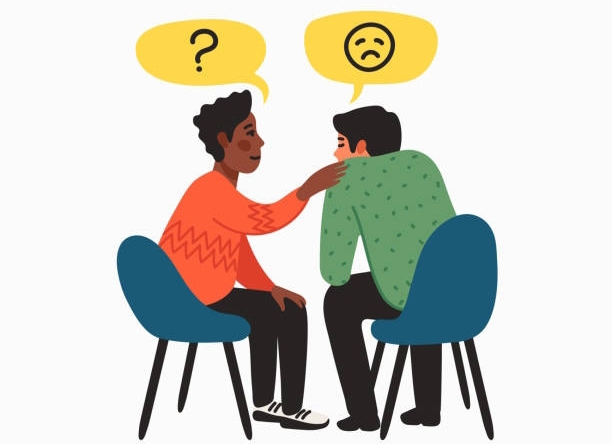
There are times when people give us advice and it just sounds like words, but there are times when people give us advice and we truly feel what they’re saying. What separates good advice from… not so good advice?
First off,
if you don’t understand the person’s situation, have been through something similar, or know of someone who went through the same thing, you’re just there to listen and there’s nothing wrong with that.
But if you do, let’s move on:
Let them know you know what they mean. If the person senses that you understand their issue, that’ll create a mind-to-mind connection and be more susceptible to hearing what you have to say.
Inform them about the other side’s point of view. This one’s optional, but if there are sides involved situation, inform them on the other perspectives. Sometimes we get so worked up on what we think and feel, that we forget about the other people’s feelings.
Remind them that it’s okay to do the right thing. A lot of times people know exactly what they have to do; they’re just not doing it. As mentioned above, we can get worked up over situations, that we don’t realize certain things, but we might also overthink so much that the obvious solution seems so difficult.
And lastlyyyyyy,
don’t invalidate their feelings. If their behavior is depending on the way they think others are perceiving them, and they’re mistaken, then they’re overreacting; tell them like it is.
But if their behavior is not depending on other people’s perceptions, then it’s something more serious; don’t just tell them to “stop worrying,” for example.
At one point in time, we’re going to have to show someone were care about some support.
Haha, I just noticed I’m giving YOU advice in how to give OTHERS advice. See how this all comes together? (◔‿◔)
Do you know about any other things that produce golden advice? I encourage you to leave a reply if you do.